
Are You Paying for Too Many POS Systems?
How Restaurants and Retail Stores Overpay for Software and Credit Card Processing
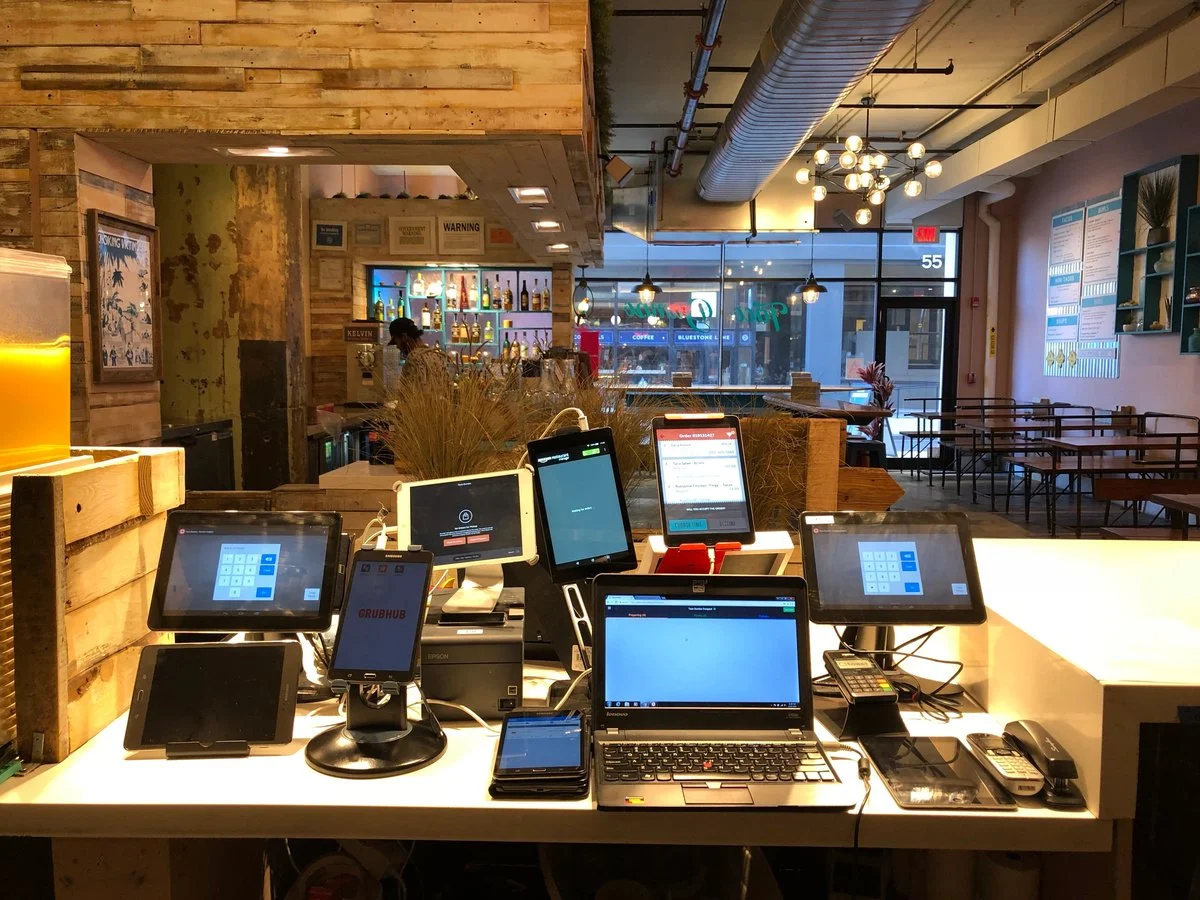
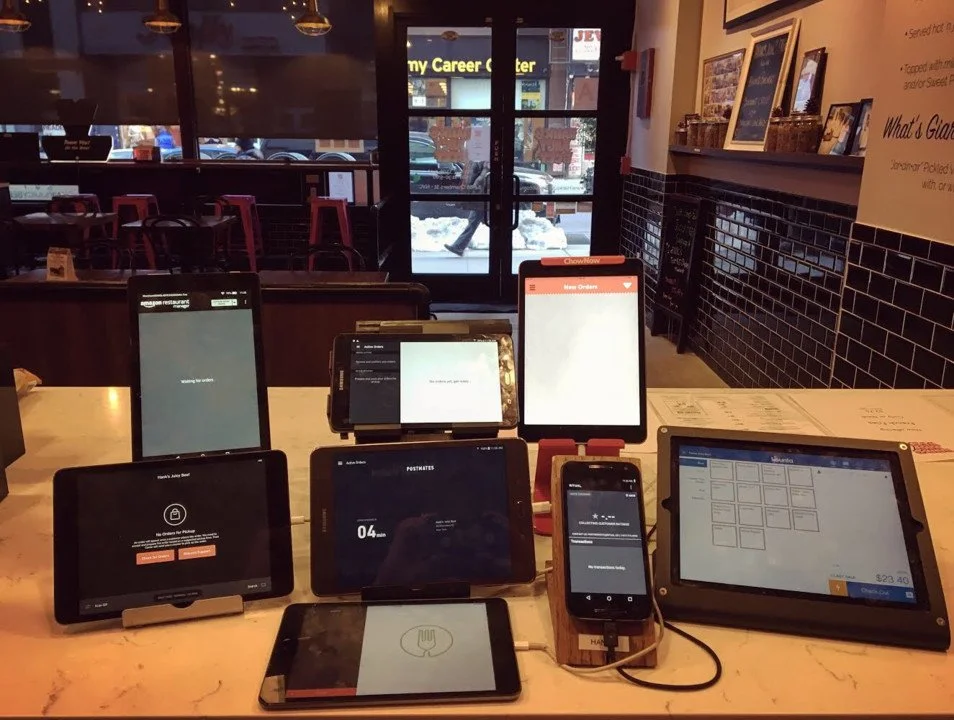
If you’re a restaurant owner or retail store owner using three or four different software systems to run your business, there’s a strong chance you’re overpaying for your POS system, overpaying for credit card processing, and operating with the wrong tech setup.
Most small businesses only need one primary POS system and possibly one supporting tool. Anything beyond that often creates unnecessary costs, reporting errors, and operational confusion.
This is one of the most common problems in modern restaurant POS systems and retail payment processing setups.
The “Too Many Systems” Problem in Restaurants and Retail
Many businesses end up with:
A restaurant POS system
A separate online ordering platform
A third-party loyalty program
Standalone payroll software
A different scheduling app
A separate marketing automation tool
This is called “software stacking.”
It usually leads to:
Higher monthly SaaS fees
Complicated reporting
Disconnected sales data
Increased credit card processing costs
More room for chargebacks and accounting mistakes
For independent restaurants and small retailers, this setup is rarely necessary.
Why This Happens (And How Sales Reps Get Paid)
Platforms in this industry offer built-in tools for:
POS and payment processing
Online ordering
Gift cards
Loyalty programs
Inventory management
Sales reporting
Yet many restaurants still end up adding multiple third-party systems on top.
Here’s the reality:
Most POS sales reps earn compensation from:
Credit card processing volume
Hardware sales
Monthly POS subscription fees
Add-on software modules
The more software attached to your account, the higher the total revenue tied to that account.
That doesn’t automatically mean something unethical happened. But it does mean incentives matter.
If no one reviewed your full tech stack holistically, your setup may be driven by commission structure instead of operational efficiency.
What a Proper Restaurant POS Setup Should Look Like
For most small to mid-sized restaurants and retail stores, a clean and profitable structure looks like this:
Option 1:
One integrated POS system
One specialized add-on (only if necessary)
Option 2:
One POS system
One accounting or payroll integration
That’s it.
You do not need:
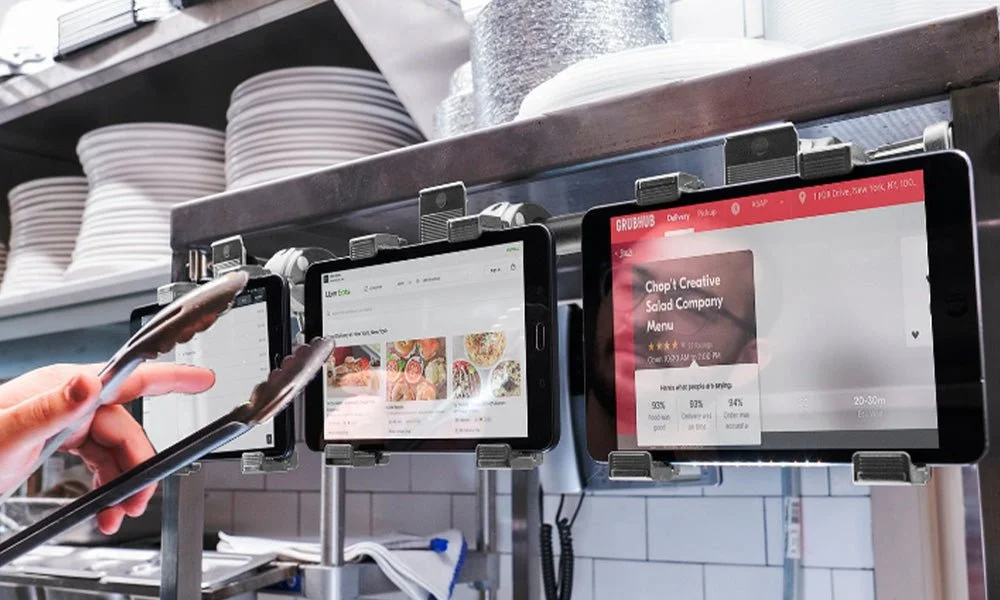
Three dashboards that don’t communicate
Multiple payment gateways
Separate reporting exports every week
Manual entry between platforms
A properly configured restaurant POS system with integrated payment processing should handle the majority of operational needs.
Hidden Costs of Multiple POS and Payment Systems
Over-stacking software doesn’t just increase your subscription fees.
It also creates:
Inaccurate inventory tracking
Sales tax reporting inconsistencies
Disconnected customer data
Increased processing inefficiencies
When margins in food service and retail are already tight, unnecessary software expenses directly reduce profitability.
Reducing tech clutter often lowers both monthly POS costs and effective credit card processing rates.
Signs You’re Overpaying for Your POS and Credit Card Processing
You may need a system audit if:
You use more than two POS-related subscriptions.
You cannot easily calculate your effective processing rate.
Your payment processor has never reviewed your full setup.
You pay both high SaaS fees and high processing rates.
Your systems require manual syncing or double entry.
If this sounds familiar, you likely have unnecessary overlap in your restaurant technology stack.
How to Simplify Your Restaurant or Retail Tech Stack
If you want to reduce POS costs and improve reporting:
Review your current credit card processing agreement.
Identify every monthly software fee tied to your POS.
Determine which tools duplicate functionality.
Eliminate redundant systems.
Choose a processor and POS provider that builds around your business model, not commission structure.
The goal is not to add more software.
The goal is to build the most efficient, cost-effective system possible.
Final Thought: Simplicity Is Profitable
Technology should increase clarity, not complexity.
Most independent restaurants and retail stores can operate efficiently with:
One strong POS system
Integrated payment processing
Minimal add-ons
If you’re using three or four different systems and no one has clearly explained why each one is necessary, it’s time to review your setup.
Reducing unnecessary POS software and optimizing credit card processing is one of the fastest ways to improve net margins in food service and retail.