
How a Houston Restaurant Reduced Processing Costs by 38%
Restaurant owners are used to tight margins. Food costs fluctuate, labor costs rise, and software subscriptions quietly stack up month after month. What many owners don’t realize is that payment processing is often one of the most misunderstood and most overpaid expenses in their operation.
In this Merchant Chronicles case study, we break down how a Houston fast-casual pupuseria reduced their processing costs by 38% without changing how their restaurant runs day-to-day.
No downtime.
No retraining staff.
No operational headaches.
Just a smarter setup.
The Business
Business Type: Fast-Casual Pupuseria and Panaderia
Location: Houston, Texas 77070
Monthly Card Volume: $45,000
Previous Setup: Clover POS, Square processing, and separate FOX online ordering software
This business was passed down from father to son, and the son has been operating it since 2021. At first glance, nothing seemed wrong with the restaurant’s system. Everything worked. Orders were flowing, customers were paying, and the owner believed they were on competitive rates.
But once we reviewed their statement, the numbers told a different story.
The Problem
Like many restaurants, this business had unknowingly accumulated multiple systems and fees over time.
The owner believed their pricing was competitive, but their actual numbers revealed:
3.78% effective processing rate
Multiple monthly SaaS subscriptions
Separate online ordering platform
Long-term contract obligations
Limited transparency in their processing statements
Most owners never calculate their effective processing rate, so the true cost remains hidden inside dozens of line-item fees.
The result? Money leaking out of the business every month without a clear explanation. Cashflow not adding up after expenses taken out.
What We Found
Once we broke down the merchant statement and software stack, the numbers were clear.
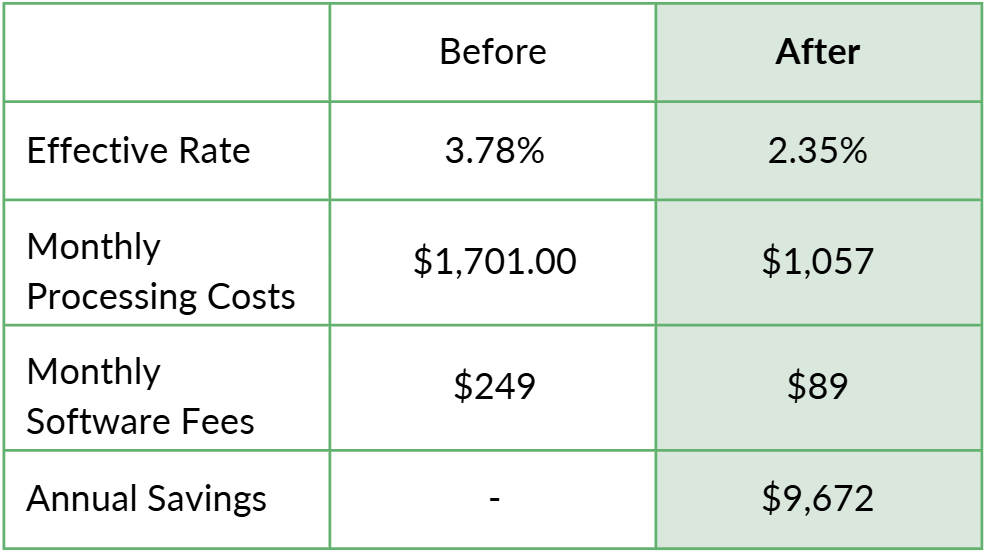
For a restaurant processing $45,000 per month, that difference is massive.
And it wasn’t caused by “negotiating harder.”
It was caused by fixing the structure of the system.
The Solution
Instead of layering more software or pushing gimmicky pricing models, we focused on simplifying the entire payment stack.
The changes included:
1. Switching to an Interchange Plus pricing model
This removed hidden processor padding that usually comes from a flat rate pricing model, and gave the restaurant transparent pricing tied directly to card network costs.
2. Consolidating software systems
POS, inventory management, and online ordering were unified into a single platform, eliminating unnecessary SaaS subscriptions.
3. Removing padded processor markups
A detailed statement audit exposed markups that had quietly accumulated over time.
Once those three issues were corrected, the restaurant immediately began operating with a much more efficient cost structure.
The Result
The restaurant now saves $806 per month.
That equals $9,672 per year back into the business.
Even more importantly, the transition caused zero operational disruption:
No downtime
No contract penalties
No staff retraining issues
From the team’s perspective, the system still works the same way.
From the owner’s perspective, thousands of dollars stopped disappearing every year.
What the Owner Said
"Lauren showed us exactly what we were paying for. We thought we had the best setup already. We had no idea we could save money and keep everything working the same way."
— Restaurant Owner, Houston TX
Why This Happens So Often
Most restaurant owners never see the full picture of their payment ecosystem.
Between POS providers, processors, software subscriptions, and online ordering platforms, it’s easy for costs to stack up quietly.
Sales reps come into the restaurants with predatory marketing tactics, convincing owners that their software is the only software that will make your business money. Of course, sales reps are often compensated across multiple layers of that stack, which means the “recommended setup” is not always the most efficient one.
The POS ecosystem of a restaurant should not be your business marketing strategy; it should aid you in achieving your business marketing strategy. There is not a miracle software that posts marketing content, drives sales up, and sorts your financial reports for your accountant. But there are systems that make it easier for you and your employees to do your job. This all comes from proper POS system matching, because as SaborPay always says: “POS systems are not a one-size-fits-all”.
The result of misinformed business owners and under-educated sales reps is what we see every day:
Businesses running three or four separate systems
Software subscriptions that duplicate functionality
Processing pricing structures that hide real costs
When those pieces are consolidated and priced transparently, the savings can be substantial.
Could Your Restaurant Be Overpaying?
If your restaurant processes cards, the fastest way to know is by reviewing your merchant statement and software stack.
You don’t need to change how your business runs. You just need to understand what you’re actually paying and see if anything can be consolidated.
A proper review can reveal:
Hidden processor markups
Inefficient pricing models
Redundant software subscriptions
Opportunities to consolidate systems
What is an effective processing rate?
Effective processing rate is the true percentage of revenue a business pays to accept credit and debit cards. It cuts through all the confusing line-item fees and tells you one simple number:
“Out of every dollar in card sales, how much went to payment processing?”
Most business owners think they are paying something like “2.6% + 10¢”, but their real effective rate is usually much higher once all fees are included.
The Formula
Effective Processing Rate = Total Processing Fees ÷ Total Card Sales
Then multiply by 100 to convert it to a percentage.
Example:
Monthly card sales: $45,000
Total processing fees: $1,701
Calculation:
$1,701 ÷ $45,000 = 0.0378
Effective Rate = 3.78%
That means: For every $100 the restaurant processed, $3.78 went to payment processing.
Quick Shortcut Method (What I Use When Auditing Statements)
Take the Total Fees from the statement.
Take the Total Volume processed.
Divide fees by volume.
Example:
Total Fees: $1,701
Total Volume: $45,000
Effective Rate: 3.78%
This takes 30 seconds and instantly reveals if a business is overpaying.
Request a Free Statement Review
If you want to see exactly where your processing fees are going, you can request a free merchant statement analysis.
Upload your statement and get a clear breakdown of:
Your true effective processing rate
What fees are unnecessary
Whether your system is set up efficiently
Your margins deserve transparency.
Are You Paying for Too Many POS Systems?
How Restaurants and Retail Stores Overpay for Software and Credit Card Processing
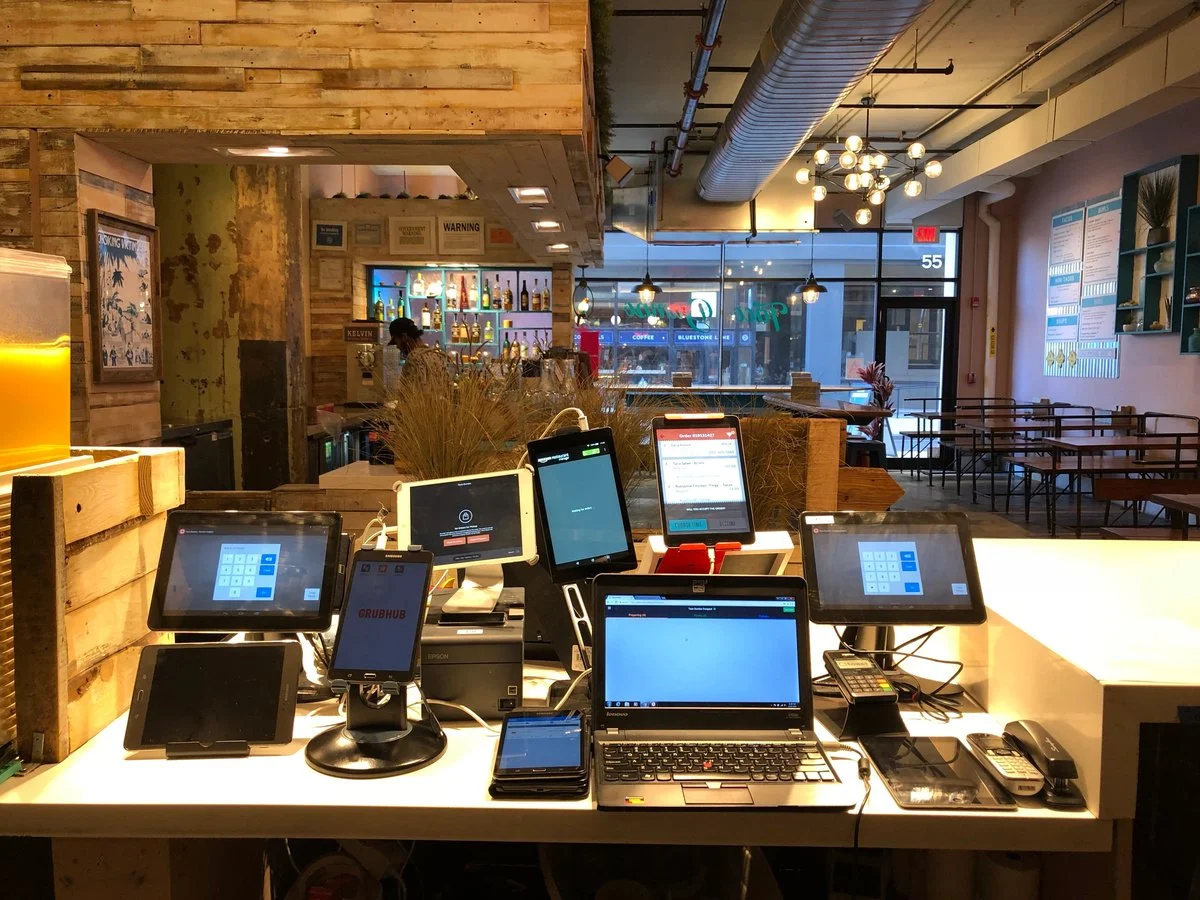
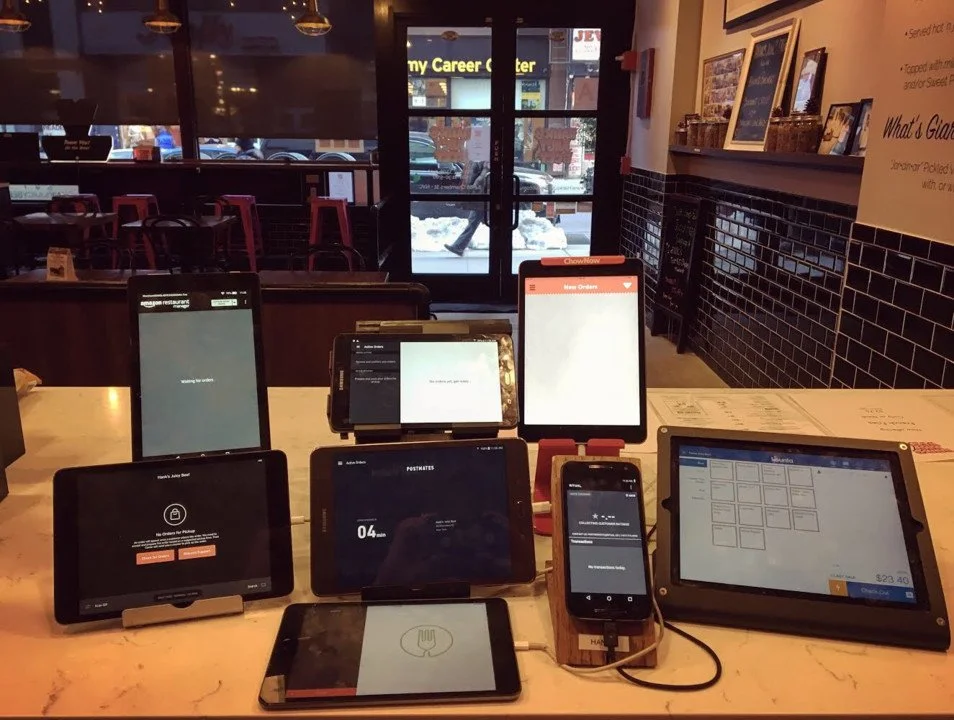
If you’re a restaurant owner or retail store owner using three or four different software systems to run your business, there’s a strong chance you’re overpaying for your POS system, overpaying for credit card processing, and operating with the wrong tech setup.
Most small businesses only need one primary POS system and possibly one supporting tool. Anything beyond that often creates unnecessary costs, reporting errors, and operational confusion.
This is one of the most common problems in modern restaurant POS systems and retail payment processing setups.
The “Too Many Systems” Problem in Restaurants and Retail
Many businesses end up with:
A restaurant POS system
A separate online ordering platform
A third-party loyalty program
Standalone payroll software
A different scheduling app
A separate marketing automation tool
This is called “software stacking.”
It usually leads to:
Higher monthly SaaS fees
Complicated reporting
Disconnected sales data
Increased credit card processing costs
More room for chargebacks and accounting mistakes
For independent restaurants and small retailers, this setup is rarely necessary.
Why This Happens (And How Sales Reps Get Paid)
Platforms in this industry offer built-in tools for:
POS and payment processing
Online ordering
Gift cards
Loyalty programs
Inventory management
Sales reporting
Yet many restaurants still end up adding multiple third-party systems on top.
Here’s the reality:
Most POS sales reps earn compensation from:
Credit card processing volume
Hardware sales
Monthly POS subscription fees
Add-on software modules
The more software attached to your account, the higher the total revenue tied to that account.
That doesn’t automatically mean something unethical happened. But it does mean incentives matter.
If no one reviewed your full tech stack holistically, your setup may be driven by commission structure instead of operational efficiency.
What a Proper Restaurant POS Setup Should Look Like
For most small to mid-sized restaurants and retail stores, a clean and profitable structure looks like this:
Option 1:
One integrated POS system
One specialized add-on (only if necessary)
Option 2:
One POS system
One accounting or payroll integration
That’s it.
You do not need:
Three dashboards that don’t communicate
Multiple payment gateways
Separate reporting exports every week
Manual entry between platforms
A properly configured restaurant POS system with integrated payment processing should handle the majority of operational needs.
Hidden Costs of Multiple POS and Payment Systems
Over-stacking software doesn’t just increase your subscription fees.
It also creates:
Inaccurate inventory tracking
Sales tax reporting inconsistencies
Disconnected customer data
Increased processing inefficiencies
When margins in food service and retail are already tight, unnecessary software expenses directly reduce profitability.
Reducing tech clutter often lowers both monthly POS costs and effective credit card processing rates.
Signs You’re Overpaying for Your POS and Credit Card Processing
You may need a system audit if:
You use more than two POS-related subscriptions.
You cannot easily calculate your effective processing rate.
Your payment processor has never reviewed your full setup.
You pay both high SaaS fees and high processing rates.
Your systems require manual syncing or double entry.
If this sounds familiar, you likely have unnecessary overlap in your restaurant technology stack.
How to Simplify Your Restaurant or Retail Tech Stack
If you want to reduce POS costs and improve reporting:
Review your current credit card processing agreement.
Identify every monthly software fee tied to your POS.
Determine which tools duplicate functionality.
Eliminate redundant systems.
Choose a processor and POS provider that builds around your business model, not commission structure.
The goal is not to add more software.
The goal is to build the most efficient, cost-effective system possible.
Final Thought: Simplicity Is Profitable
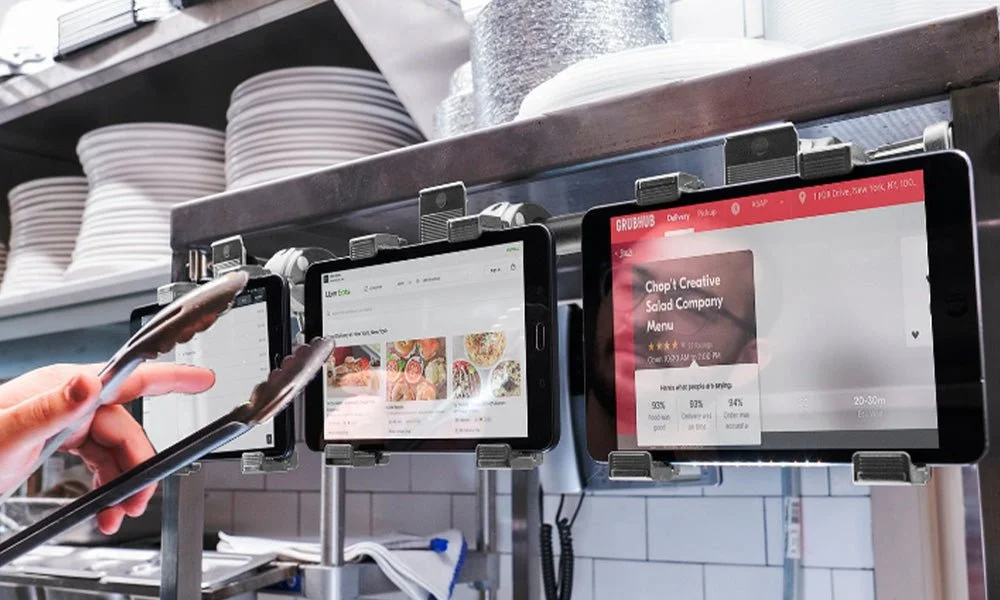
Technology should increase clarity, not complexity.
Most independent restaurants and retail stores can operate efficiently with:
One strong POS system
Integrated payment processing
Minimal add-ons
If you’re using three or four different systems and no one has clearly explained why each one is necessary, it’s time to review your setup.
Reducing unnecessary POS software and optimizing credit card processing is one of the fastest ways to improve net margins in food service and retail.
Fewer systems.
Lower costs.
Better reporting.
Higher profitability.
Introducing SaborPay: Built for Merchants, by Merchants
At SaborPay, we know what it means to face barriers in business. As immigrant founders, we created The Merchant Chronicle to bring transparency, support, and real solutions to merchants who deserve more than hidden fees and fine print.
Starting and running a business should open doors—not close them. But for many entrepreneurs, especially in immigrant communities, payment processing feels like another barrier: expensive, confusing, and often unfair.
We know this firsthand. Both of SaborPay’s founders are immigrants. We come from countries where merchant services don’t exist—where accepting credit cards isn’t possible and starting your own business is often too costly to even try. That experience shaped our mission.
Why We Started SaborPay
Together, we bring over 10 years of combined experience in Point-of-Sale technology and financial services. During that time, we saw a pattern: too many processors put profits over people. Hidden fees, aggressive contracts, and sales reps chasing the biggest residuals often leave merchants last on the priority list.
SaborPay is different. We founded this company to flip the focus back onto merchants and communities. Our priority is making sure every business—big or small—has the tools, support, and transparency to grow.
What We Stand For
Community First: Our growth only matters if our merchants thrive.
Transparency Always: Clear, simple pricing without hidden markups.
Experience You Can Trust: POS expertise, modern payment solutions, and real support when you need it.
More Than Payments
The name “Sabor” means flavor. Just like flavor gives life to a meal, we bring life and trust back into an industry that often forgets its purpose: helping businesses succeed.
And that’s why we’ve launched The Merchant Chronicle—this blog. It’s where we’ll share insights, practical resources, and stories that matter to business owners. Our goal isn’t just to process transactions, but to empower entrepreneurs with knowledge that helps them grow.
Our promise is simple: While others chase the highest payouts, we’re here to look out for you.